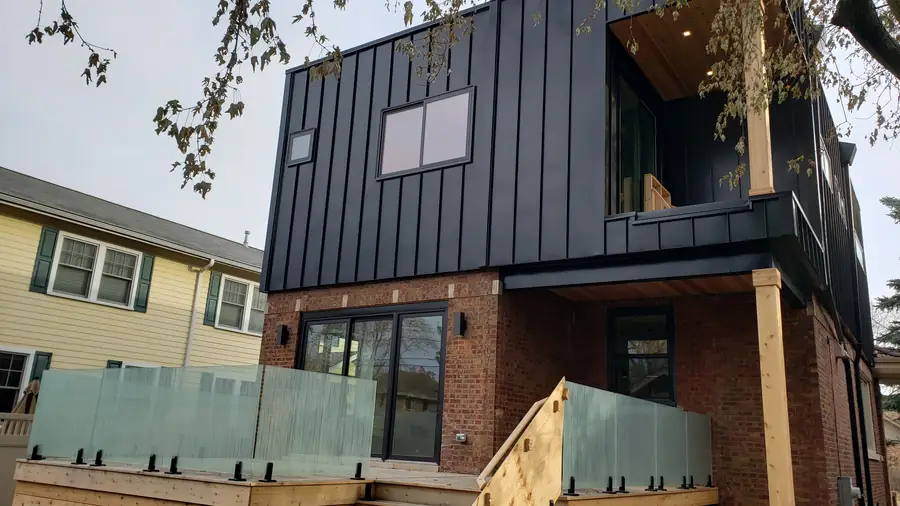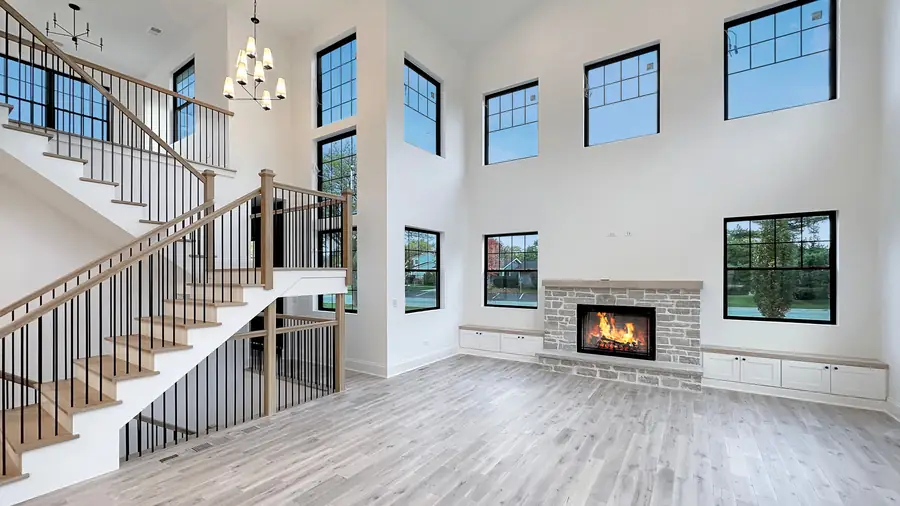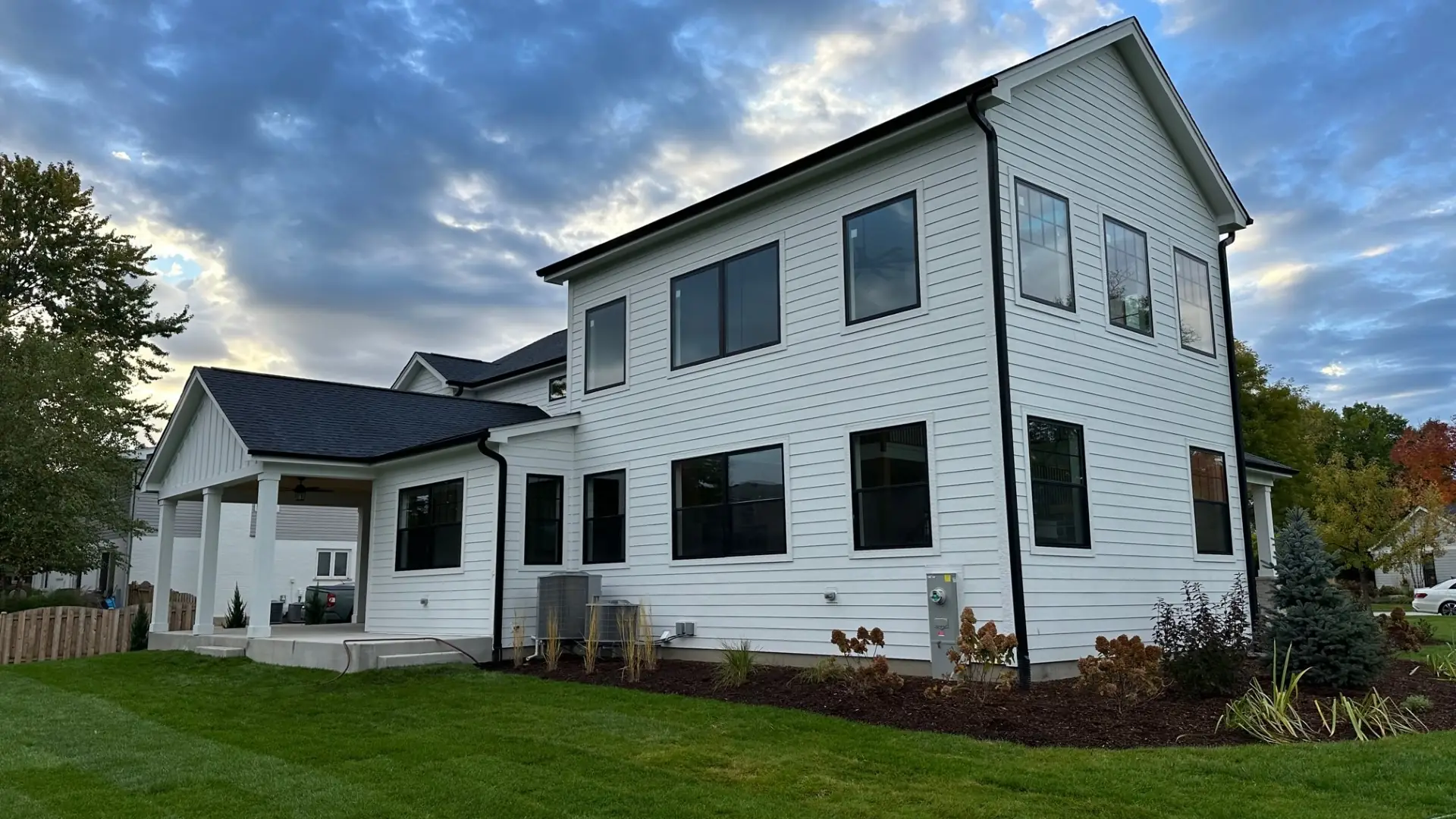
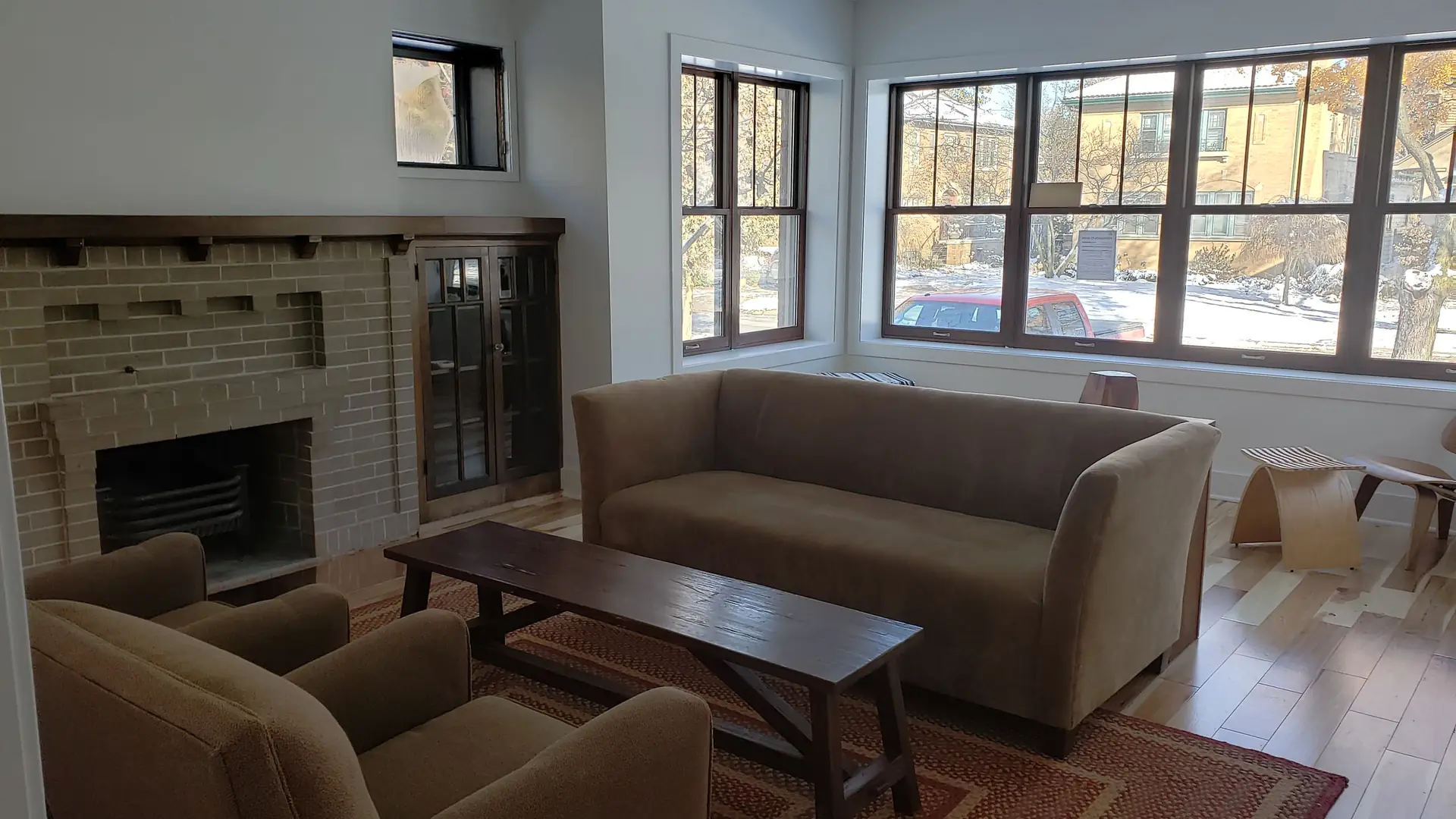
Five-acre minimums, mature trees and a village that intends to stay rural. Those three facts shape every build out here, and they are the reason most Barrington Hills houses are custom.
The land is doing most of the work
Barrington Hills is not a subdivision and has never wanted to be. Lots are measured in acres, roads wind rather than grid, and the village protects its horse trails and tree cover with real intent.
That means the site decides more about your house than any catalogue plan could. Where the grade falls, where the trees already stand, where the sun comes from in February. A plan drawn without standing on the lot will fight all three.
Out here the lot is not where the house goes. It is half the design.
What building custom actually buys you here
On a five-acre parcel you can site a house for the view rather than the setback, put the garage where it is not the first thing you see, and let the floor plan spread out instead of stacking.
Those are decisions a production builder cannot make for you, because production building depends on repeating the same house. On land like this, repeating the same house is the one thing that will not work.
- Siting chosen for light, slope and tree cover rather than a platted envelope.
- Single-level or spread layouts that a narrow lot could never carry.
- Indoor-outdoor rooms that face something worth facing.
- Mechanical systems sized for a house that is genuinely rural, including well and septic where there is no municipal service.
The rules you will meet
Barrington Hills has its own zoning, its own tree and conservancy expectations, and in most of the village no sewer or water main. That means a septic design, a well, and a soil test that happens before you fall in love with a plan.
None of this is a reason not to build. It is a reason to have the builder involved before the architect finalises anything, because the permitting path out here adds months if it is discovered late and adds almost nothing if it is planned for.
Whether it is worth it
There is no honest universal answer, but there is a clear test. If the house you want exists already, somewhere nearby, in roughly the right condition, buy it. Renovating a good house is almost always cheaper than building a new one.
If the house you want does not exist, and you have found land that does what you need, then building is the cheaper option, because the alternative is buying something close and spending years and a second budget trying to make it fit.
How to start
Walk the land with a builder before you buy it, if you can. An hour on a lot will surface the septic field, the driveway run, the tree you cannot take out and the grade problem at the back, all of which are cost.
Then get the budget and the plan talking to each other early. The most expensive custom homes we see are not the biggest ones. They are the ones where the drawings were finished before anyone priced them.