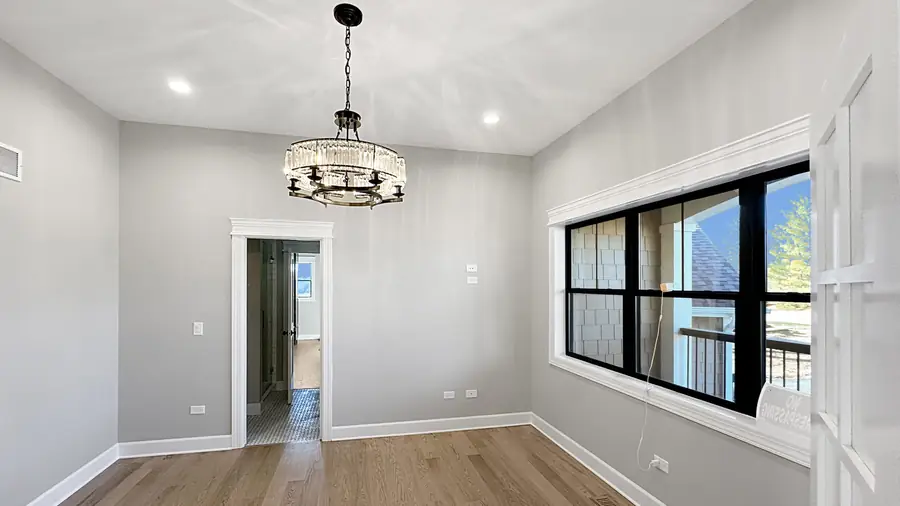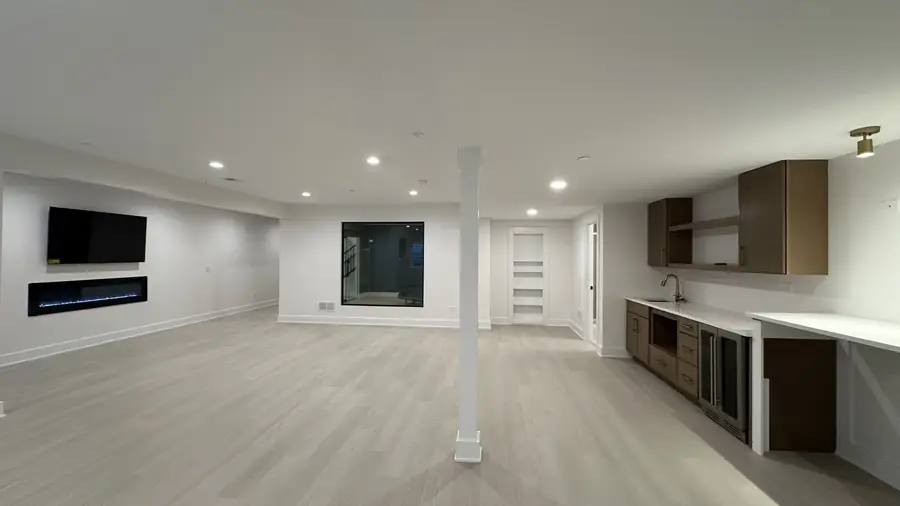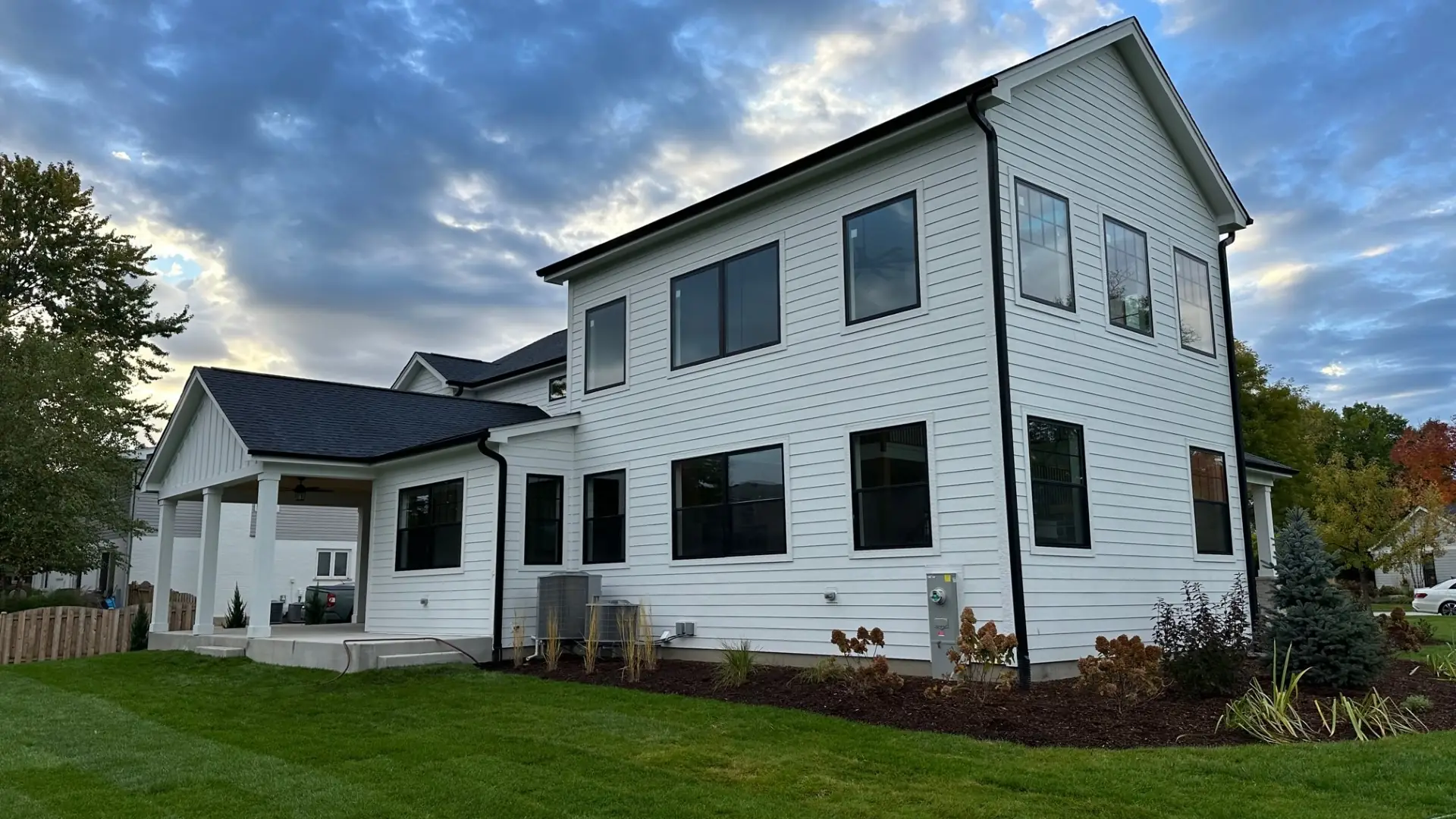
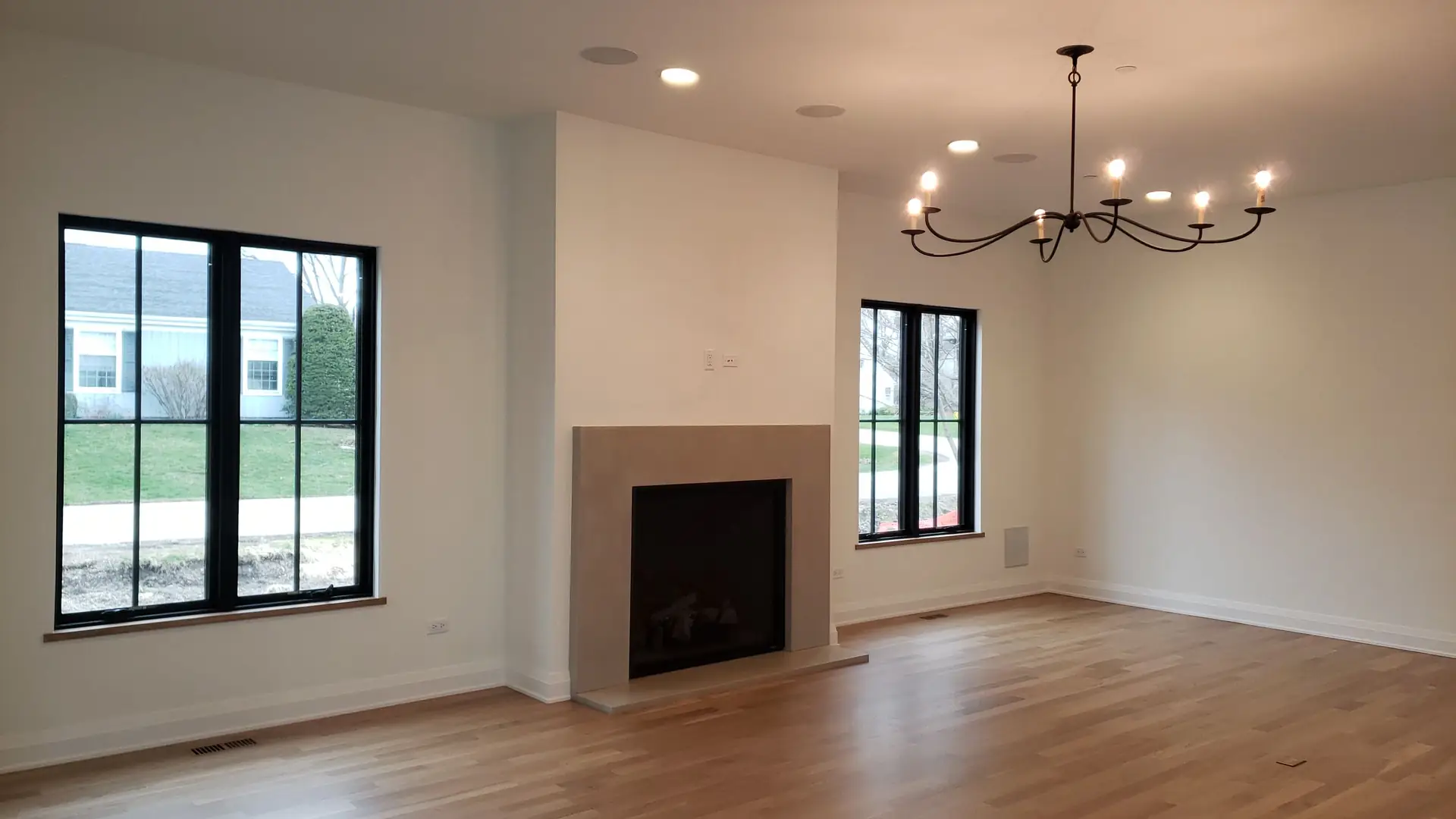
Between roughly $150 and $305 a square foot, which is a wide enough range to be useless on its own. Here is what decides where in it you land.
The numbers as they stand
A modest single-room addition in the Chicago suburbs currently runs somewhere between $50,000 and $150,000. Larger or more involved projects move past $250,000 without difficulty.
Those figures are higher than they were a few years ago, and the reasons are not mysterious: labour, materials, and tightened energy and safety requirements. Treat any number you read, including this one, as a starting point for a conversation rather than a quote.
Size and structure
A single-storey rear addition over a crawl space is the cheapest shape. A two-storey addition is the most expensive, because the existing structure has to carry new load, the roof comes off, and part of the house becomes unusable while it does.
In between sits the question of what you build on. A crawl space, a slab or a full basement are three quite different foundation budgets, and the existing foundation depth often decides which is even available to you.
Nobody is surprised by the floor area. People are surprised by the foundation and the roof.
Permits and site conditions
Every suburb around Chicago permits differently, and the older the neighbourhood the more likely there is a lot coverage limit, a stormwater requirement or a setback that shapes the footprint before design begins.
Site access matters too. A rear addition on a narrow lot where equipment cannot get through costs more than the same addition where a truck can back up to it. That is a real line and it rarely appears in online cost guides.
Mechanical systems
Adding six hundred square feet to a house means asking the furnace, the air conditioning, the electrical panel and sometimes the water heater to serve a bigger house than they were sized for.
Sometimes they can. Often the panel is already full, or the furnace was marginal before you started. Get this assessed at the estimate stage, because discovering it in week six turns a planned cost into an emergency one.
- Furnace and air conditioning capacity for the new total square footage.
- Electrical panel space and service size.
- Water heater capacity if you are adding a bathroom.
- Ductwork routing, which is a design constraint as much as a cost.
The line items people forget
Three costs are left out of nearly every homeowner's mental budget. Matching the exterior, because siding, brick and roofing from decades ago are not available now and the transition has to be designed. Refinishing flooring across the whole level so the join does not show. And the temporary cost of living through it, whether that is a rental or just six weeks of eating out.
Put all three in the number at the start. They are not surprises if you planned for them.