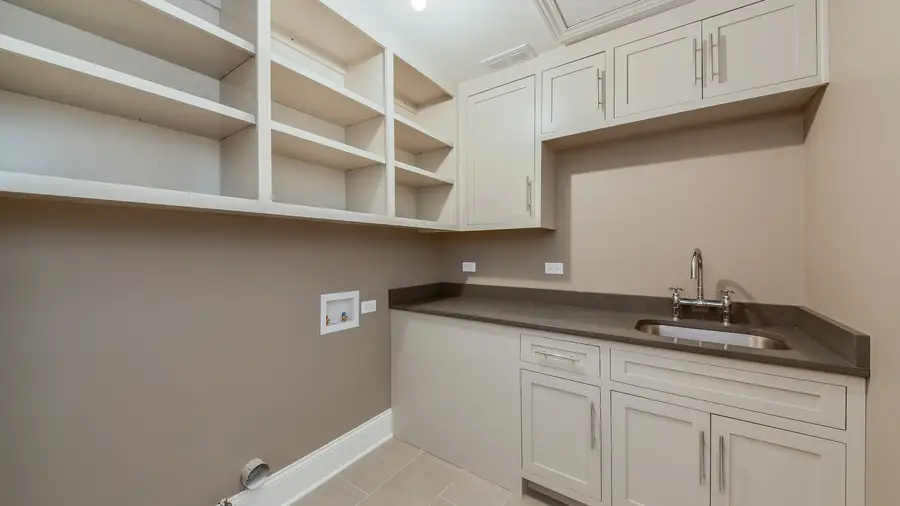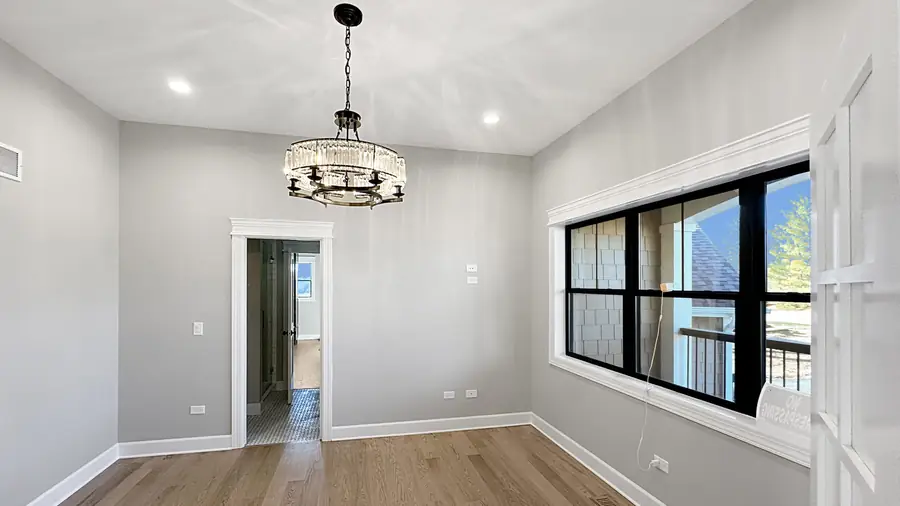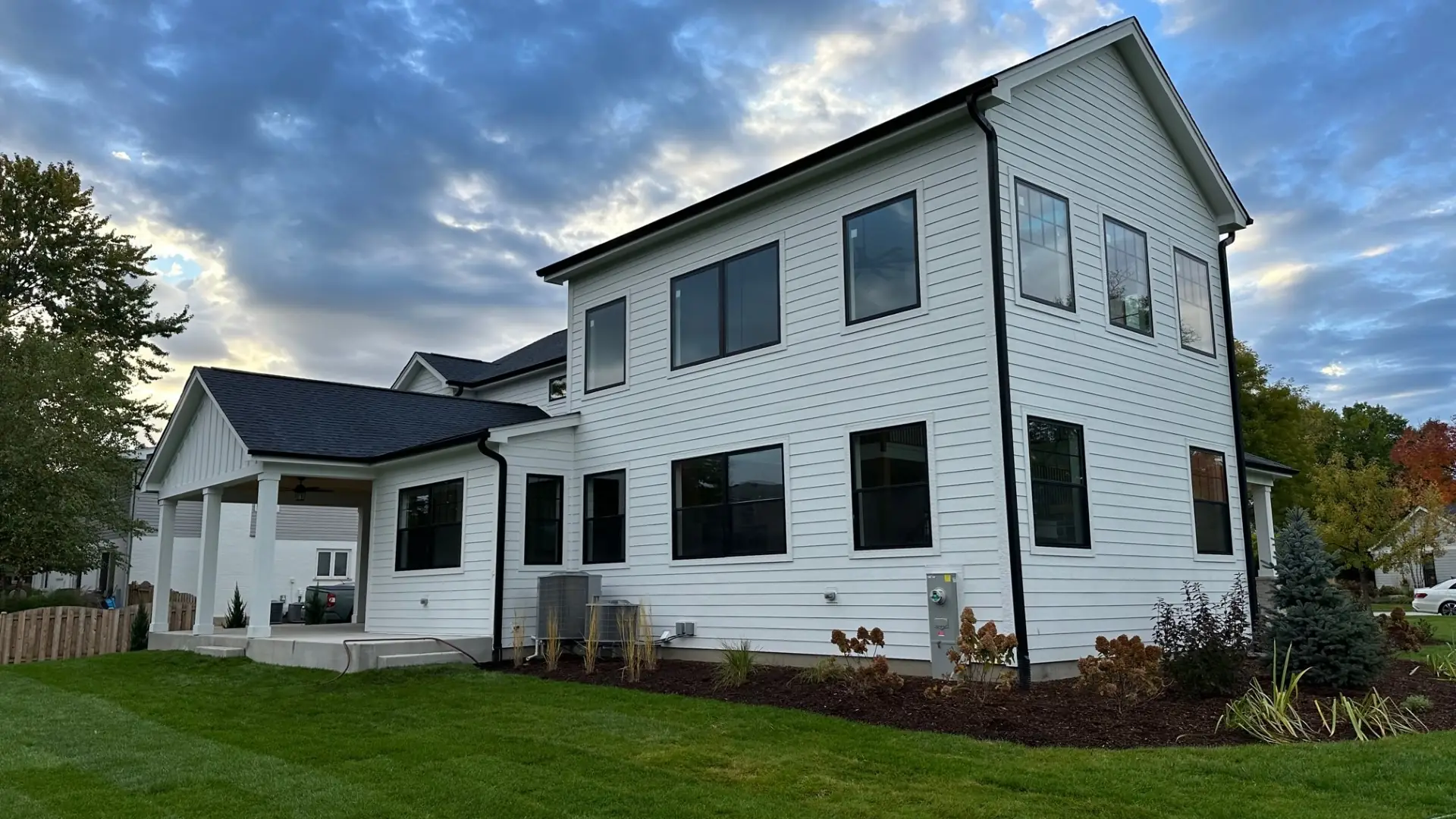

Most of what goes wrong on a renovation was decided, or not decided, before anyone picked up a tool.
One: say what the renovation is for
Not what you want it to look like. What problem it solves. More room, better flow, a kitchen that works, a house that stops costing money in repairs.
Write it down in a sentence. Every later decision gets tested against that sentence, and the ones that do not serve it come out of the budget without much argument.
Two: budget with a contingency you mean
Split the number into structure, mechanical, finishes and contingency. Fifteen per cent contingency on an older house, ten on a newer one.
Then do not spend the contingency in month one. It exists for what is behind the walls, and in a house of any age there is always something behind the walls.
A contingency spent on an upgrade is not a contingency. It is a nicer kitchen and a problem later.
Three: hire for your type of house
A contractor who is excellent at new construction may not be the right person for a 1920s house with balloon framing and knob-and-tube in the attic. The reverse is equally true.
Ask what they have done that resembles your house, then call the owners of those projects.
Four: permit it properly
Structural changes, electrical, plumbing and anything that moves a wall need permits in every village around here. A good contractor handles the filing, but you should know what has been applied for.
Unpermitted work surfaces at resale, when an appraiser will not count it and an inspector will find it. The permit is always cheaper than that conversation.
Five: plan for the house in fifteen years
While the walls are open, run the wiring you might want later. Block for a future grab bar. Put in the conduit. Consider whether a first-floor bedroom will matter to you one day.
Access and structure are cheap now and expensive once the drywall is on. Finishes are the opposite. Spend accordingly.
Six: fix the efficiency while you can
Open walls are the only chance you will get at insulation and air sealing without paying twice. In a Chicago climate that is a comfort decision as much as a bill decision.
Air sealing first, then insulation, then windows. In that order, because sealing is cheap and windows are not.
Seven: plan for living through it
Decide now where you will cook, where the dust barriers go, where the trades park, and which room is off limits. A whole-house renovation is loud, dusty and long.
Families who plan this in advance find the project far easier than families who improvise it in week two. It is the least glamorous preparation and the one that most affects how the months feel.