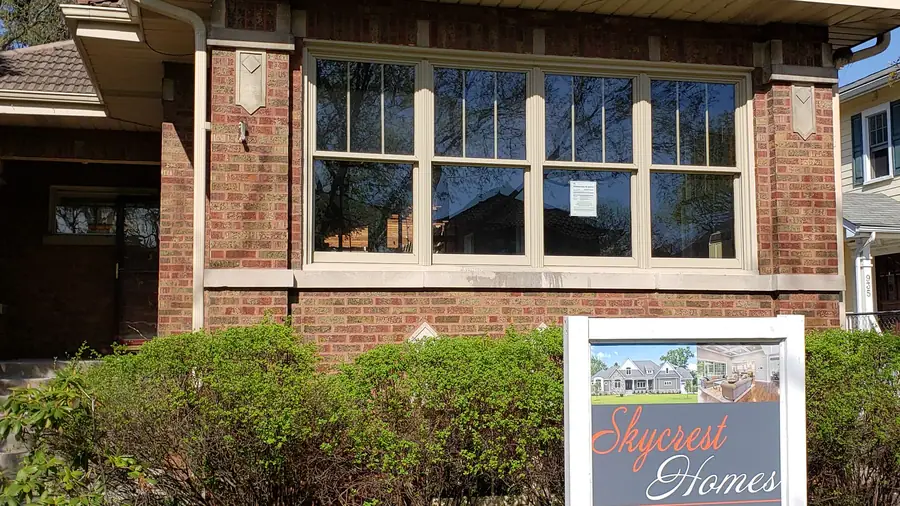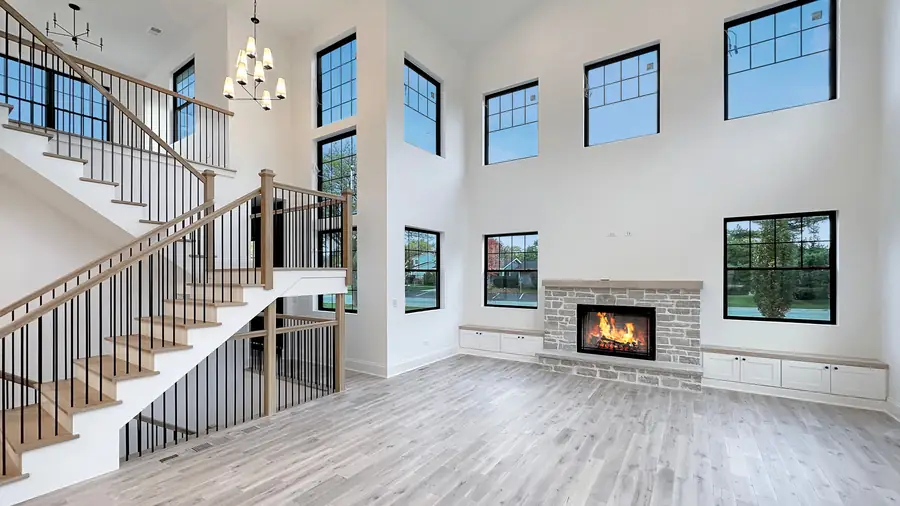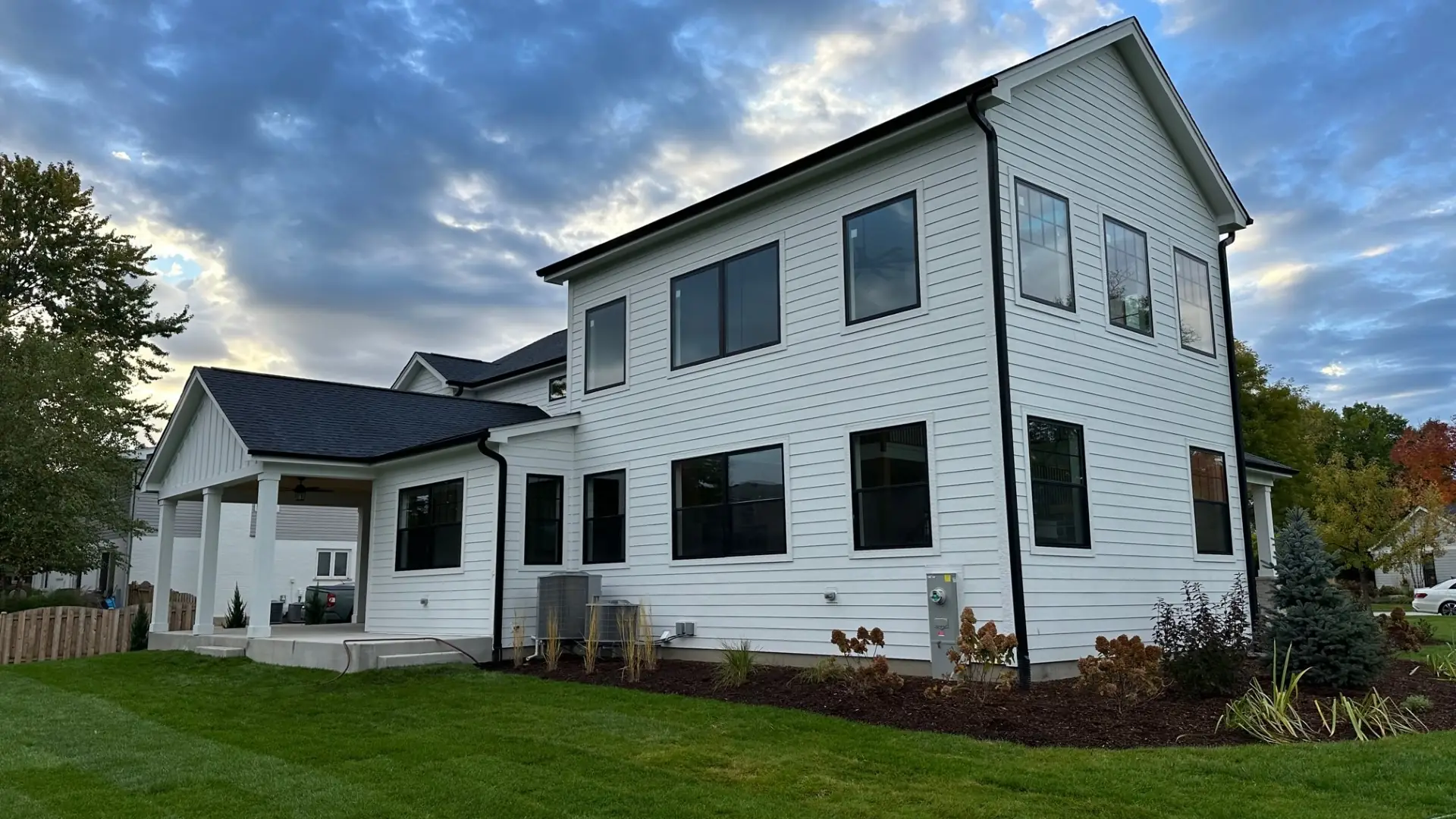
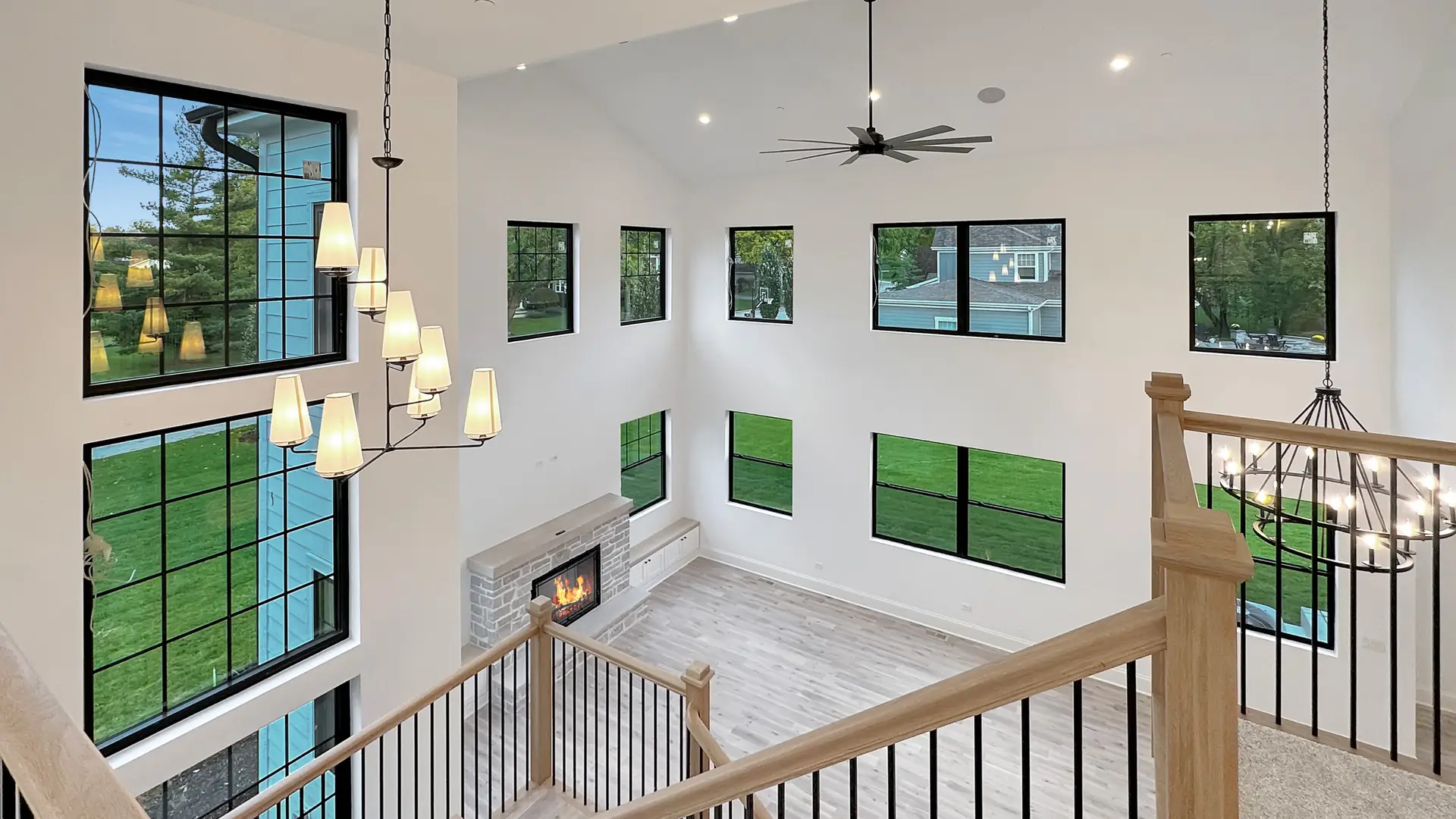
A large share of the housing stock in this region predates 1940. That single fact explains most of what is happening in new construction here.
Why people are building rather than buying
The suburbs around Chicago are not short of houses. They are short of houses that match how families live now. Closed kitchens, small primary bathrooms, no usable home office and mechanical systems from another era.
You can buy one of those and renovate it, and often that is the right call. But past a certain amount of work, the renovation costs more than building and leaves you with compromises you cannot design out.
Renovation stops being cheaper at about the point where the kitchen, the primary suite and the mechanicals all need doing.
A lot, or a teardown
There are two routes to new construction in established suburbs. Find vacant land, which is scarce in the inner ring and available further out. Or buy an existing house for the lot and replace it.
The teardown route is common in Hinsdale, Elmhurst, Clarendon Hills and parts of Arlington Heights, and it comes with its own costs: demolition, utility disconnection and reconnection, and sometimes a village review of what replaces it.
- Vacant land: cheaper to start, usually further from the train.
- Teardown: established street and schools, higher entry price, demolition cost.
- Either way, walk the site with a builder before you commit.
How the sequence actually runs
Lot and feasibility, then design, then permitting, then construction. Design and permitting together typically take three to six months. Construction on a custom home runs ten to fourteen.
The stage people underestimate is permitting, because it is the one where nothing visible happens. Villages around here review carefully, and the time is shortest when the builder has worked there before.
Financing a build
A construction loan is not a mortgage. It draws in stages as the work completes, you pay interest only on what has been drawn, and it converts to a conventional mortgage at the end.
Get the lender and the builder talking early. Draw schedules have to match the construction schedule, and a mismatch there creates cash flow problems that have nothing to do with how the house is going.
Choosing who builds it
Ask who will be on site, how allowances were set, how change orders are priced, and which villages they have permitted in. Four questions, and they predict most of the experience.
Then call the last two clients and ask what went wrong. Something always does. The answer tells you what the next twelve months will feel like.